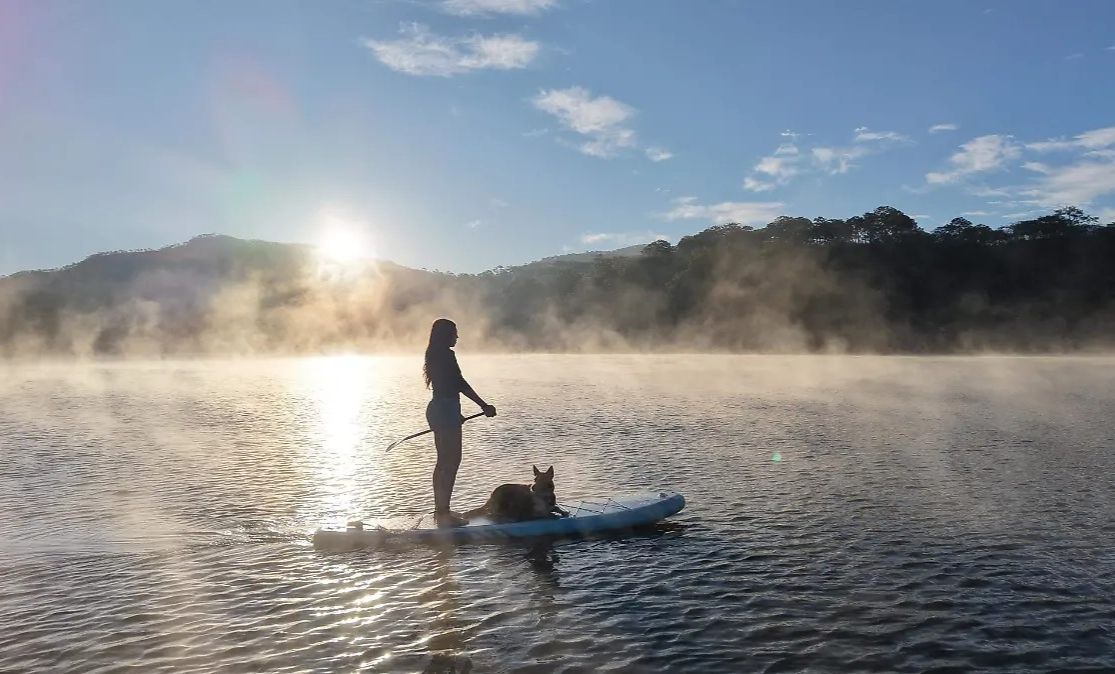

A little over three hours from Guadalajara and an hour and a half from Puerto Vallarta, the Magical Town of Mascota presents itself as an alternative for those looking to combine nature, history, gastronomy, and outdoor activities in western Jalisco.
Located in the heart of the Sierra Madre Occidental, this destination stands out for its mountainous landscapes, lagoons, rivers, and rural communities that preserve traditions and ways of life linked to Jalisco’s culture.
According to Juan Antonio Salcedo Segura, Tourism Director of Mascota, the municipality offers experiences for visitors interested in both historical heritage and nature tourism.
One of its main attractions is the Mascota Archaeological Museum, where pieces discovered during excavations carried out since the 1990s are displayed. Among the findings are clay dog figures that, according to archaeological studies, are more than 2,800 years old. Research conducted by Mexican and foreign specialists has made it possible to identify remains of ancient cultures that maintained commercial connections with other regions of Mesoamerica and even South America.
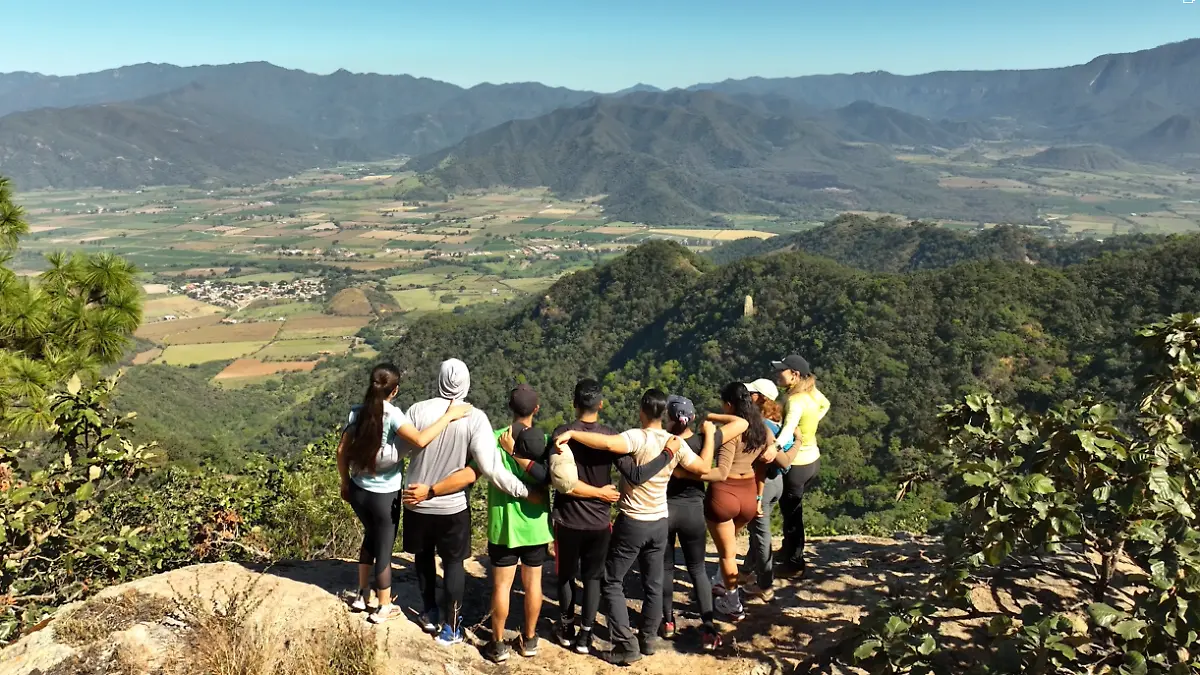
For those who prefer outdoor activities, there are ATV tours, hiking, and mountain biking routes that connect communities such as Yerbabuena, Juanacatlán, Navidad, and Cimarrón Chico. Many of these trails follow old mule paths that were used for centuries for commercial exchanges between mountain communities.
In addition to its archaeological heritage, the municipality preserves dozens of petroglyphs distributed throughout its territory. These engraved stones display representations of human figures, animals, spirals, and symbols related to the worldview of the region’s ancient inhabitants.
A tour through Mascota also allows visitors to discover a historic center with cobblestone streets, traditional mansions, and plazas where the daily lifestyle characteristic of Mexico’s inland towns is still preserved.
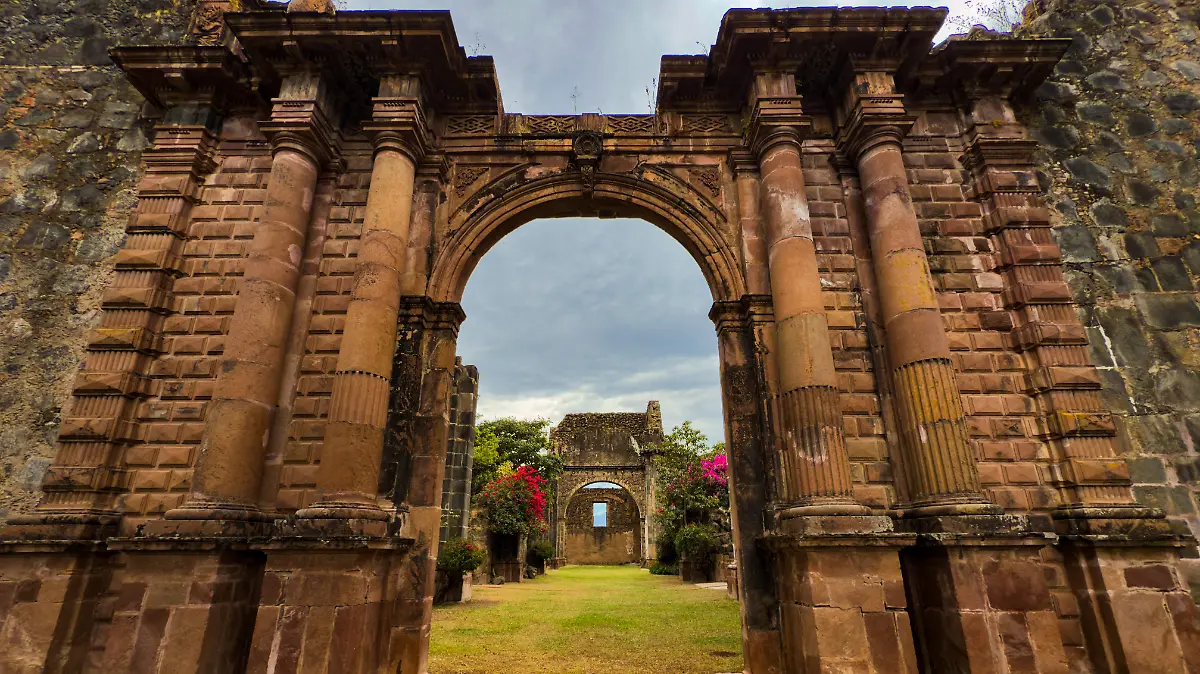
One of the main points of interest is the Unfinished Temple of the Precious Blood, a construction that began at the end of the 19th century but was never completed due to a lack of resources.
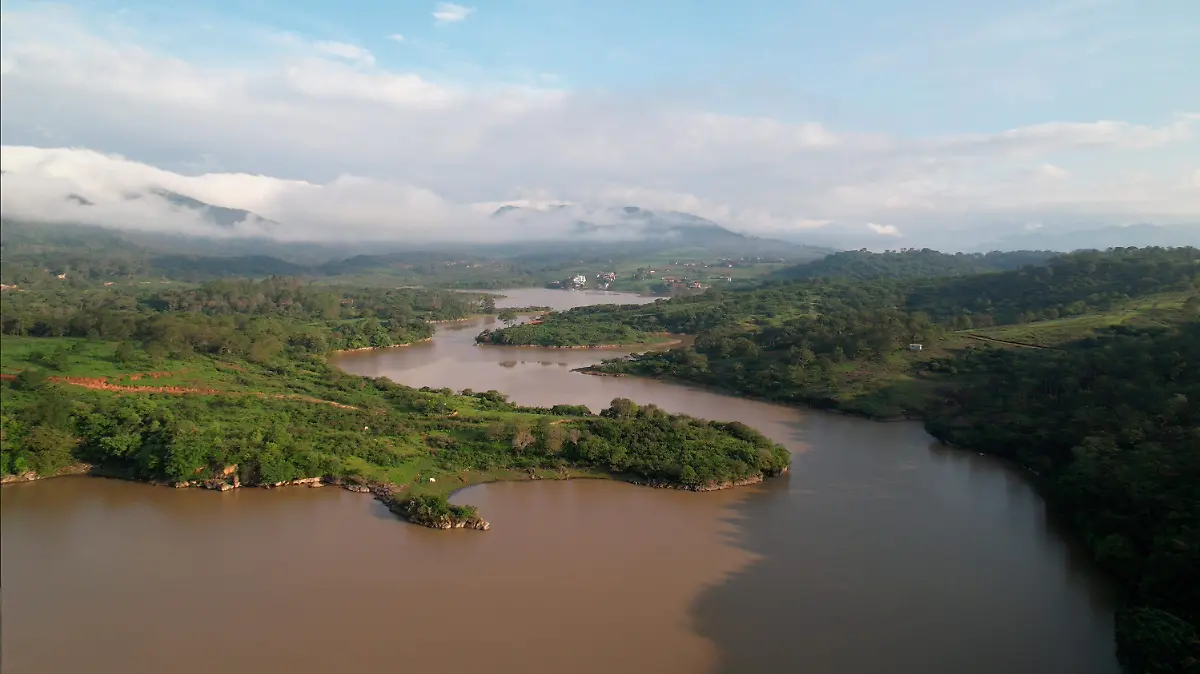
Yerbabuena stands out for its small lagoons and natural surroundings, while the community of Navidad, located among mountains, is often covered in fog during the rainy season, offering landscapes different from other destinations in the state.
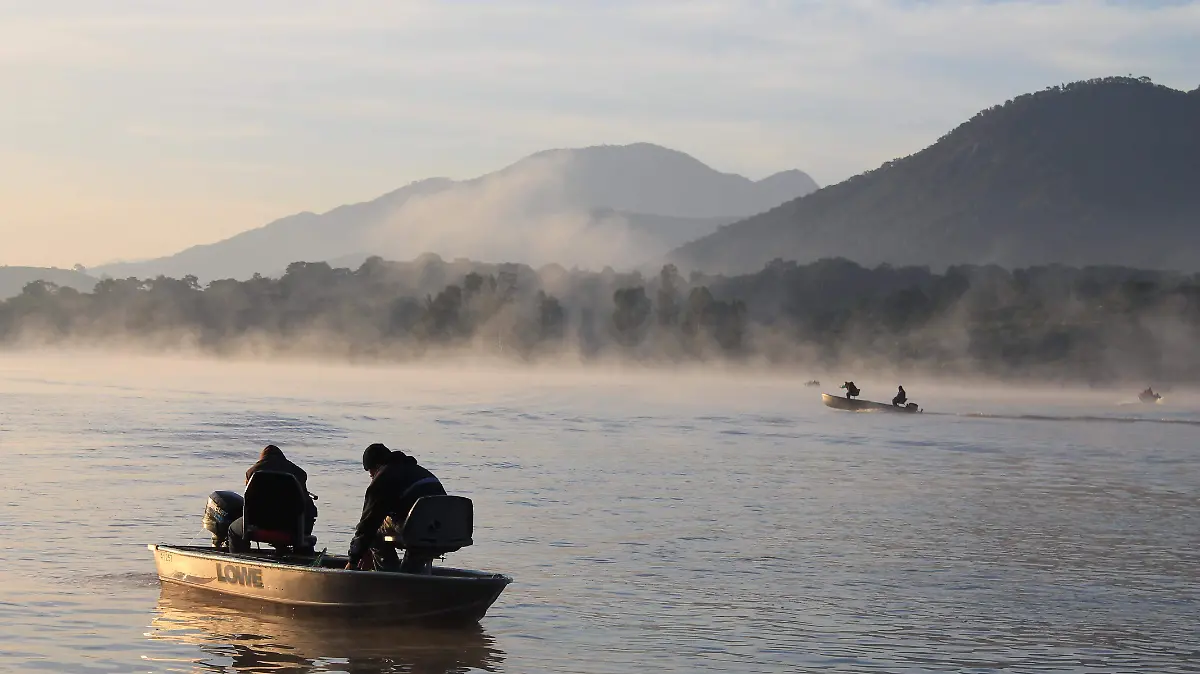
The Juanacatlán Lagoon and the Corrinchis Dam complement the municipality’s tourist offerings. In these areas, visitors can enjoy boat rides, appreciate the mountain scenery, and taste dishes prepared with fresh local fish.
Gastronomy is another one of Mascota’s main attractions. The municipality is recognized for its baking tradition, with establishments throughout the town center. Among the most popular products are lemon-glazed crescent cookies, posi —a sweet made from purple prickly pear, piloncillo, and corn— and various mango preserves produced during the season.
Visitors can also learn about the traditional production process of raicilla, a Jalisco distillate that maintains a strong presence in communities such as Cimarrón Chico, where traditional taverns still operate and preserve production methods passed down through generations.
Regarding accommodations, Mascota offers options for different budgets, from boutique hotels located in the historic center and cabins surrounded by nature to traditional inns and tourist complexes near Juanacatlán Lagoon.
During the summer, the climate is usually humid and cool, especially after rainfall, while in winter some of the higher areas of the municipality record temperatures close to zero degrees Celsius.
Local tourism authorities highlight that the destination’s main market is family tourism, meaning safety and tranquility are among the aspects most valued by visitors.
For those seeking a different getaway among mountains, trails, pre-Hispanic history, and regional gastronomy, Mascota offers a proposal that combines nature and culture in one of the most representative mountain areas of Jalisco.
Source: oem