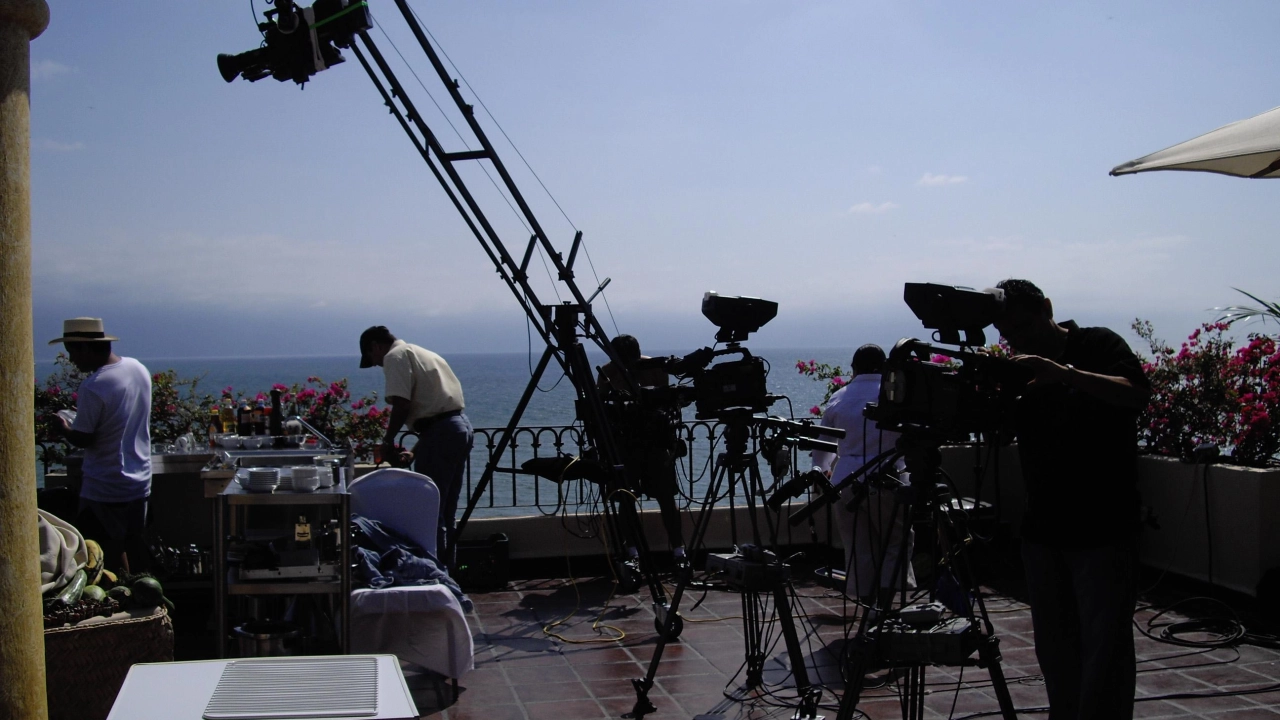

Jalisco is seeking to become one of the main hubs for film and audiovisual production in Mexico and take advantage of the global expansion of an industry that is increasingly distributing its projects among more destinations.
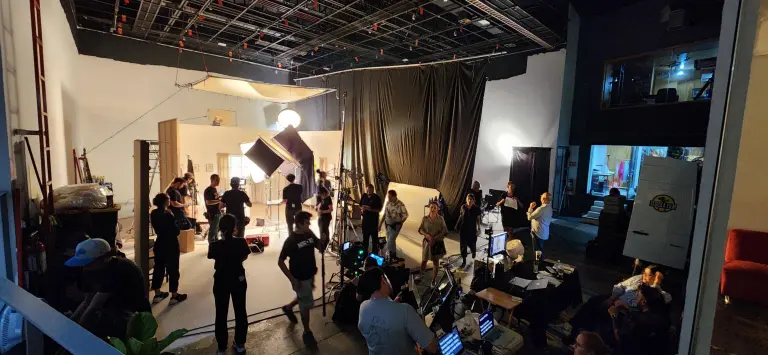
Although Mexico City continues to concentrate the largest number of productions, Jalisco offers a combination that is becoming increasingly attractive to national and international production companies: specialized talent, infrastructure, diverse locations, and lower costs, said Verónica Guillén, general director of Simonetta Servicios Audiovisuales and a member of the Board of Directors of the National Chamber of the Cinematographic Industry (CANACINE) Jalisco, in an interview with El Economista.
She emphasized that producing in the state can generate savings of at least 30% compared with Mexico City, while the difference is even greater compared with markets such as Los Angeles and New York.
The appeal is further strengthened by the Cash Rebate, a state program with a fund of nearly 100 million pesos that allows producers to receive reimbursements ranging from 10% to 40% of eligible expenses incurred in Jalisco, depending on the characteristics of each production.
Economic impact
The incentive seeks to turn audiovisual spending into local economic activity, since hotels, restaurants, transportation, equipment rentals, technical services, and filming locations are all part of the value chain that benefits when a production arrives in the state.
According to Guillén, in 2023 the audiovisual industry generated an estimated 1.3 billion pesos in economic activity in Jalisco, although she considers the figure to be underestimated because a significant portion of productions are not registered.
She explained that the figure is low compared with the actual situation because the data is compiled through CANACINE, and not all companies operating in Guadalajara belong to the organization. Many productions are not reported because they do not require government permits. For example, a production filmed inside a private home may not require any authorization, meaning authorities may never know it took place.
The member of the CANACINE Jalisco Council specified that in 2025, Mexico City reported 9.4 billion pesos in economic activity and more than 816,000 jobs, while Jalisco recorded approximately 8,000 jobs, a figure that could also be below the state’s actual level of activity.
Diversity of locations
Jalisco’s offer also lies in its scenery. The state combines beaches, lakes, forests, colonial architecture, modern urban areas, the Agave Landscape, and even desert-like environments, such as the dry lakebed of Sayula. This diversity allows productions to meet different location requirements without leaving the state.
Guillén noted that the rise of the tequila industry also contributed to attracting productions to Jalisco. Initially, national tequila producers were the main reason for filming in the state, but later international tequila owners, including George Clooney, came to film there, helping attract larger productions.
She said the current challenge is to turn the existing infrastructure and capabilities into greater investment. With the growth of streaming platforms and Netflix’s announcement that it will invest $1 billion in Mexico over four years, Jalisco is seeking to capture a larger share of that spending.
The goal, she added, is to move from being simply an alternative filming location to becoming an internationally competitive audiovisual hub.
Professional casting
The general director of Simonetta Servicios Audiovisuales, a company specializing in production services, casting, and locations, said the company is promoting the professionalization of audiovisual talent as part of the ecosystem intended to establish Jalisco as one of Mexico’s leading production centers.
With this objective, Simonetta will launch a specialized webinar on professional casting, aimed at actors, university students, and people interested in joining the audiovisual industry.
Guillén explained that the program will consist of three one-hour sessions, covering topics such as how professional casting works, relationships between agencies and production companies, contracts, image rights, royalties, safety protocols, and mechanisms for identifying fraud, an issue that continues to affect people seeking to begin careers in the industry.
The initiative is part of a strategy to strengthen the talent base needed to support the growth projected for the state.
The company currently has a database of approximately 5,000 actors and talents and provides production services to agencies, brands, platforms, and production companies.

Source: eleconomista