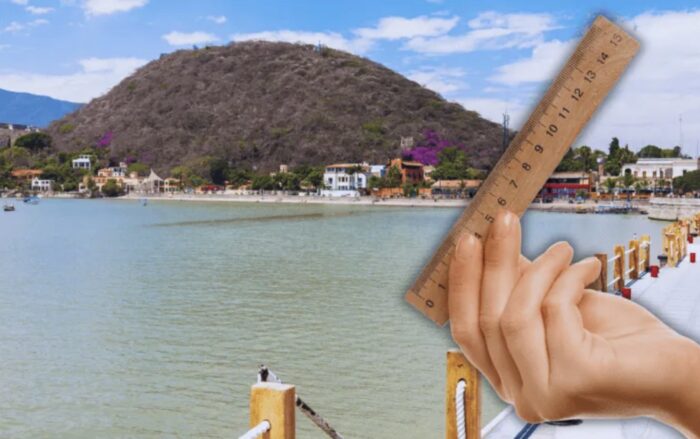

Despite the intense heat and dry spells typical of the annual canícula, Lake Chapala—Mexico’s largest body of inland water—has demonstrated a steady and encouraging recovery. According to reports from the National Water Commission (CONAGUA) and the State Water Commission (CEA) of Jalisco, the lake currently stands at approximately 69.48% of its total storage capacity.
This percentage translates to an impressive volume exceeding 5.48 billion cubic meters of water. The figures mark a significant positive shift compared to the start of the rainy season in early June, when the lake hovered around 63.2%. Hydrological experts note that despite high temperatures causing surface evaporation, consistent water inflows from recent regional storms have successfully outpaced losses, pushing the lake’s elevation upward into a stable and reliable upward trend.
The robust storage levels offer critical relief for the region, particularly for the millions of residents in the Guadalajara Metropolitan Area, which relies heavily on the lake for its municipal water supply. By maintaining a strong buffer well above critical thresholds, authorities indicate that the threat of emergency water rationing or severe shortages for the upcoming months has substantially diminished.
Looking ahead, meteorologists and water management officials remain optimistic. If intermitting rainfall patterns persist through August and September, projections suggest the lake could surpass 75% capacity before the winter season sets in. Beyond its urban utility, the sustained recovery continues to bolster the local economy, reviving tourism, fisheries, and recreation across the scenic lakeside municipalities of Jalisco.
Source: https://www.informador.mx