
The business school of the Western Institute of Higher Studies (ITESO) published an analysis of the real estate market in Jalisco and Mexico during the second week of March, identifying the areas with the highest and lowest prices for buying and selling homes.
For issue number 30 of the Economic Analysis Bulletin, more than 820,000 homes listed on digital platforms in December 2025 were analyzed using a territorial approach that allowed for characterizing the behavior of the formal market.
The results show strong segmentation, with rental prices ranging from over 90,000 pesos per month to as low as 10,000 pesos. Regarding sale prices, the national average is 6.44 million pesos, with a median of 4 million pesos.
The main problem is that, to purchase a home in the current market, a monthly income of approximately 122,000 pesos is required, well above the national average of 21,355 pesos.
The Cheapest Areas to Live in Jalisco: Periphery and Urban Expansion
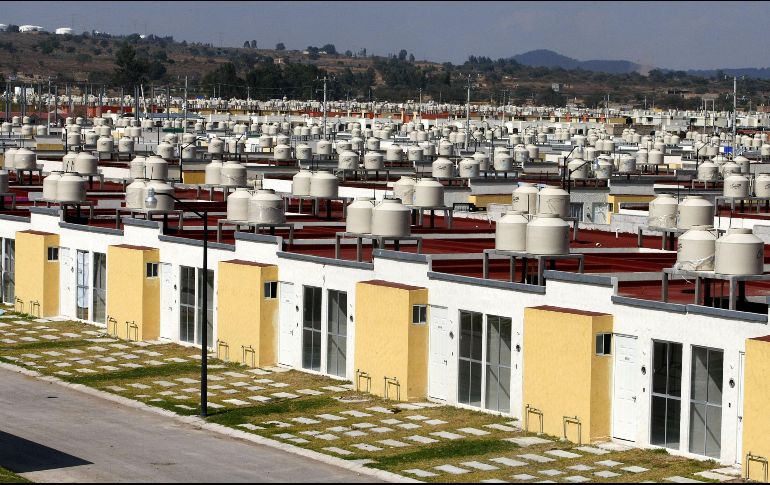
Within Jalisco, the most affordable places to live are concentrated mainly in municipalities on the outskirts of the Guadalajara Metropolitan Area, especially in Tlajomulco de Zúñiga and some areas of Zapopan.
Neighborhoods like Alta California, Cortijo de San Agustín, Adamar, and Villa California have average rents ranging from 10,000 to 12,700 pesos per month. These figures place these neighborhoods among the most economical options within the formal market analyzed.
In Zapopan, Parques de Tesistán also appears as a relatively affordable alternative, although slightly above 12,000 pesos per month.
These areas share key characteristics: peripheral location, recent development, infrastructure under construction, and housing geared toward middle and lower-middle-income sectors.
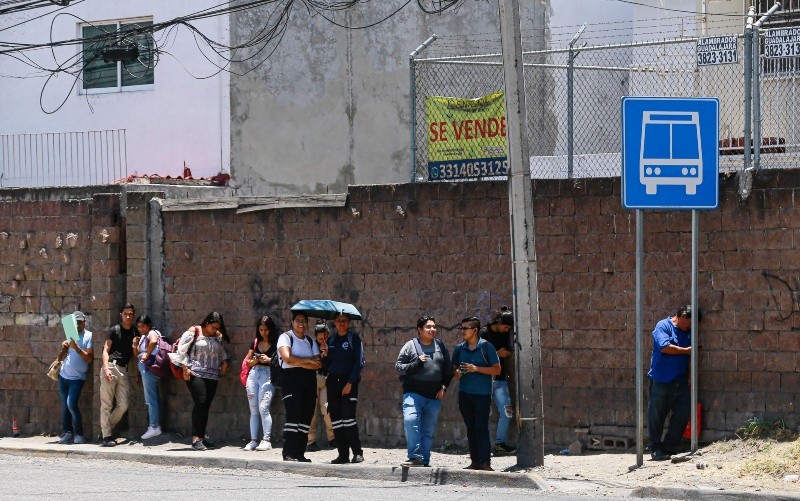
In other words, affordability means sacrificing proximity, connectivity, or established urban services.
The case of Jalisco reflects a national trend: the sustained increase in housing costs. In the state, the average monthly rent is around 29,457 pesos, slightly above the national average.
Furthermore, municipalities such as Zapopan, Guadalajara, and Puerto Vallarta register average rents exceeding 26,000 pesos per month, reflecting market pressure in established urban areas and tourist destinations.
The consequence is clear: affordable housing options are shifting to the periphery, generating increasingly pronounced territorial fragmentation.
The phenomenon is not unique to this state. Nationally, the real estate market exhibits a wider dispersion.
While entities like Mexico City and Nuevo León concentrate some of the highest prices in the country—with average rents exceeding 30,000 pesos per month—states like Tlaxcala, Zacatecas, and Durango register medians close to or even below 14,000 pesos.
This gap reflects structural differences in economic development, urban demand, and real estate pressure. In tourist areas like Quintana Roo and Nayarit, prices also rise due to investment and international demand.
The ITESO Economic Analysis Bulletin warns of the discrepancy between market prices and the incomes of Mexican families.
“The national average income remains well below the levels needed to purchase housing, even in the most accessible segments of the formal market. Even within the highest income deciles, purchasing power is limited: households outside the top segment can hardly afford homes that reflect mid-market prices. In other words, this is not just a problem for low-income households, but a broader disconnect that extends even to sectors traditionally considered ‘solvent.'”
ITESO emphasizes the need to expand the housing supply, reduce barriers to access, and promote greater competition to guarantee the constitutional right to housing.
It proposes developing housing in areas with established infrastructure and creating incentives for building homes geared toward middle-income earners. It also suggests standardized rental contracts and streamlined dispute resolution mechanisms to reduce risk for landlords.
On the landlords’ side, it suggests guarantee schemes for families without sufficient credit history and targeted support, such as temporary subsidies.
An urban policy that brings services to the periphery, improves connectivity through efficient public transportation, and strengthens digital infrastructure can make housing viable in these areas. Without these measures, the market will continue to exacerbate territorial inequalities.
Source: informador