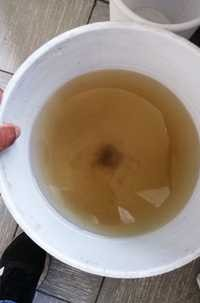

With the World Cup approaching, the Guadalajara metropolitan area will receive hundreds of thousands of visitors this June, but the serious problem of dirty water in the pipes remains unresolved, reported the new director of the Intermunicipal System of Potable Water and Sewerage (SIAPA), Ismael Jáuregui Castañeda. He stated that it will take at least three months for the service to begin to improve.
“The conditions (of the resource) will be greatly improved, but we must remember that the infrastructure is completely overwhelmed.”
He mentioned that most of the pipes are old and do not meet the requirements for the water to reach its final destination with the quality it has at the treatment plants. This is a difficult problem to solve in the short term due to the enormous investment required to renew the water network.
Governor Pablo Lemus removed Antonio Juárez Trueba from his position as head of SIAPA (the Guadalajara water utility) a couple of weeks ago and appointed Jáuregui Castañeda to the role. His initial strategy to improve water quality involves cleaning the storage tanks, starting in the areas with the most reported problems.
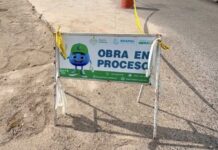
Yesterday, work began on tank 33 in the Talpita neighborhood, causing water service interruptions or low pressure in at least six neighborhoods in eastern Guadalajara. Normal service is expected to be restored within 24 hours.
This is a significant undertaking, as SIAPA manages at least 119 storage and regulating tanks throughout the city, which supply water to homes, businesses, and industries.
Due to the scale of the cleanup effort, the official anticipates that it will not be completed in time for the 2026 World Cup – which begins on June 11 – as thorough inspections of the water treatment plants and controls on leaks in the network must be carried out simultaneously. This is because it has been detected that drains are contaminating the pipes that carry the water.
Regarding the thousands of complaints from users about receiving poor-quality water despite paying on time, Jáuregui indicated that waiving payments is a possibility if a technical verification by Siapa itself supports these reports, although the Governing Board and the Congress will ultimately decide on and approve the measure.
Although the mayor, Pablo Lemus, a member of the Citizens’ Movement party, dismissed health risks from the poor water quality a few days ago, based on studies by the Federal Commission for Protection against Sanitary Risks (COFEPRIS), the truth is that specialists and universities have been warning for months about the presence of microbial flora and fauna and have recommended avoiding brushing teeth or cooking with the water.
On March 18, researchers from the University of Guadalajara described the situation with the water sent by Siapa as a “health and biological emergency,” as laboratory analyses revealed the presence of algae, plant remains, invertebrates, annelids (earthworms, leeches and polychaetes) and rotifers.

Source: jornada