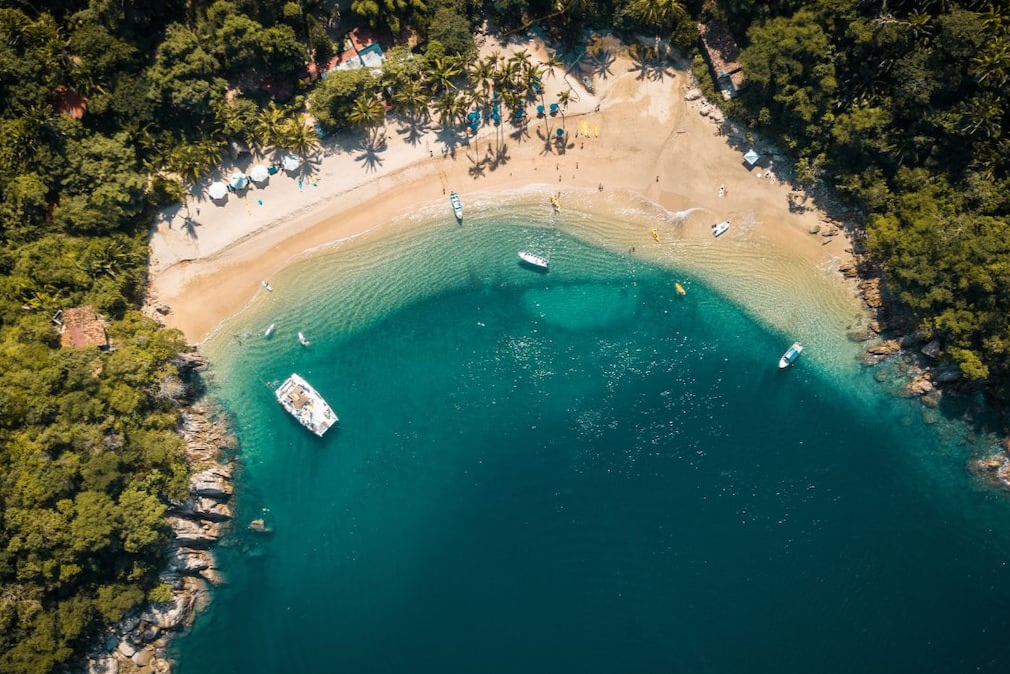

Two natural areas in Puerto Vallarta are moving forward in the process of officially becoming protected areas under the designation of ecological parks. This measure is part of a strategy to conserve the environment and guarantee sustainable spaces for the population.
The decision was approved by a legislative committee of the Jalisco Congress, allowing the process to continue toward formalization.
Subscribe to our Telegram channel and stay informed.
Which areas of Puerto Vallarta will become ecological parks?
The areas included in this process are:
Juárez
Buenos Aires
Both areas were included in agreements of the Puerto Vallarta City Council, which were then submitted to the State Congress to advance their official recognition as protected natural areas.
Why is this declaration important?
The Juárez and Buenos Aires areas are part of the urban environment of Puerto Vallarta. By being designated as ecological parks in Jalisco, these sites could be used for recreational activities under environmental criteria, in addition to preventing changes in land use that would affect their function as green spaces within the city.
Puerto Vallarta already has significant protected areas that reflect the environmental importance of the region. Among them are the El Salado Estuary, an urban mangrove that shelters a great diversity of species, and the Marietas Islands, recognized at the federal level for their ecological and touristic value. Added to this is the proximity to the Sierra de Vallejo, a key natural corridor in the region, which together demonstrates the importance of conserving and expanding protected areas in this part of the state.
What’s next in the process for them to become protected areas?
After validation by the committee, the next step will be for the Jalisco Congress to issue the formal declaration. Subsequently, this must be published in the Official Gazette of the state to take effect.
This procedure is necessary to provide legal certainty to the protection of the areas, as well as to establish guidelines on their use, conservation and exploitation.

Source: adn40